

Is outsourcing dental lab work worth it? For many clinics and dental laboratories, yes—when the cost of external design and production is lower than the full cost of handling the same work in-house, without compromising clinical fit or workflow control; comparing a dental design service with in-house design can help clarify that trade-off. The return comes from more than a fee comparison: partnering with a digital dental lab can add capacity, reduce equipment and staffing pressure, and free clinicians to focus on patient care.
What Outsourcing Dental Lab Work Actually Means
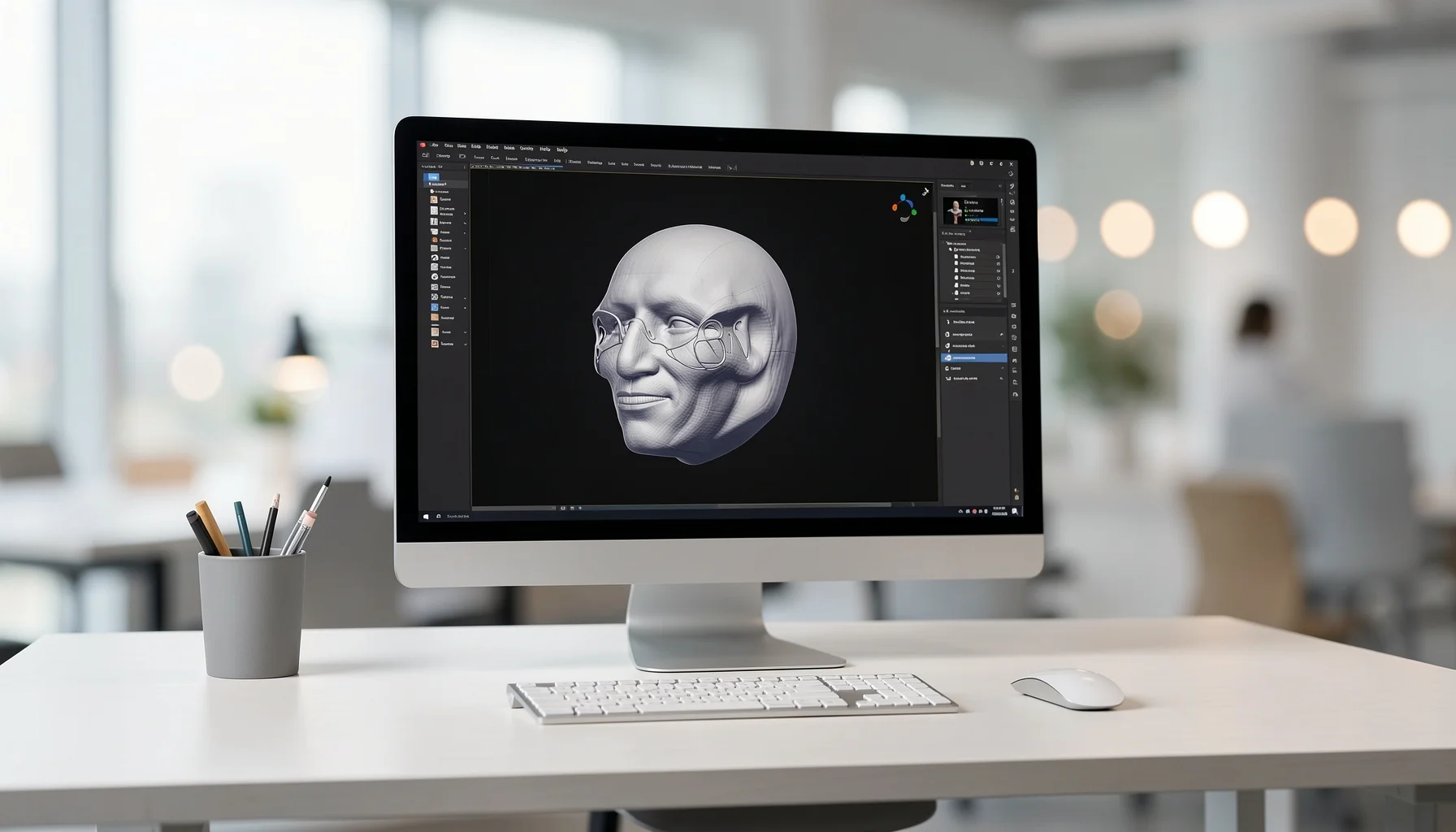
Outsourcing dental lab work is a B2B service arrangement in which an external dental team handles defined design or production tasks for a clinic or laboratory. It is not simply software access: the provider’s technicians process submitted case files and return designs, production-ready files, or physical products according to the service requested.

Which services can a clinic outsource?
Dental outsourcing can cover specific steps in a digital restorative workflow rather than the entire patient treatment. Vietnam Dental Lab, for example, provides CAD/CAM crown and bridge design, guided implant surgery planning and design, clear aligner design and production, and Digital Smile Design (DSD) planning.
That distinction matters when assessing value. A clinic might outsource crown design but retain manufacturing and final clinical delivery. Another clinic may need help planning a surgical guide, while a busy laboratory may send routine digital cases to an external team to relieve a capacity bottleneck.
The service’s output also depends on the selected arrangement. The lab can return production-ready digital files compatible with standard dental milling machines and 3D printers, or physical products depending on the service tier. Clinics should confirm what the quoted service includes before comparing it with their current workflow.
For a broader explanation of the provider’s role in modern dentistry, see this overview of the dental laboratory and its place in digital workflows.
How does the real-world workflow operate?
The workflow starts with a professional account, not an anonymous software download. A clinic registers or logs in through the official portal, then submits a case through the “Send a Case” portal with digital impressions, such as intraoral scans, and relevant patient data.
Certified dental technicians process the submitted files using CAD/CAM protocols. The lab then checks the design for precision and clinical fit before returning the requested output. Depending on the service tier, that output may be a file for the clinic’s manufacturing equipment or a physical product.
This division of work creates a practical handoff: the clinic supplies case information and clinical direction; the lab performs the agreed design or production tasks; and the clinic remains responsible for assessing whether the result meets the needs of the case. A clearly defined handoff—including file requirements, review expectations, and delivery format—helps prevent avoidable rework.
How to Evaluate the ROI: In-House vs. Outsourced
Outsourcing is worth considering when it improves the total economics or capacity of a workflow, not simply when the external fee looks low. Compare the full cost and operational effect of each option using the same case type, output, and quality expectations.
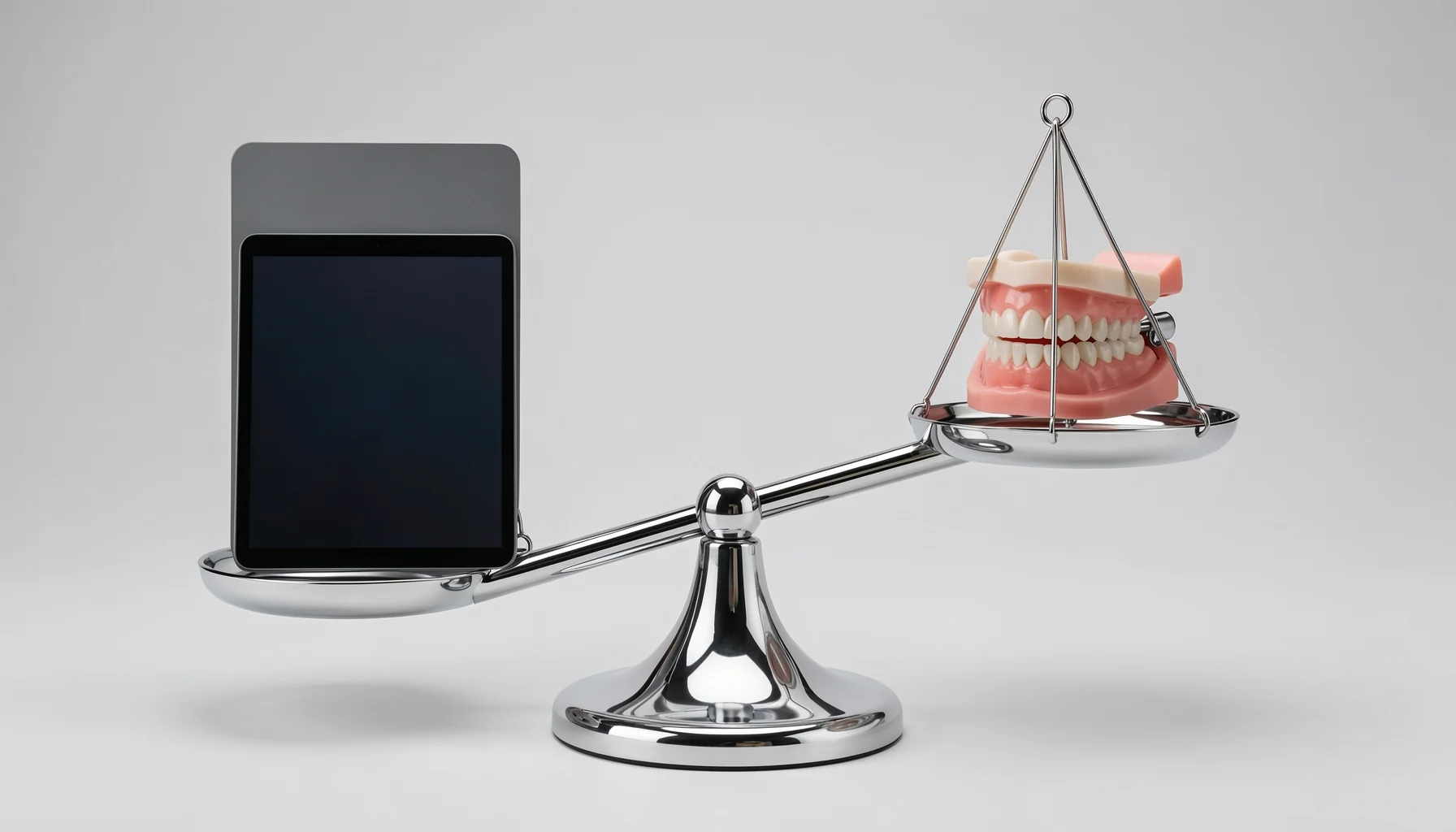
What costs and capabilities should you compare?
A useful comparison includes direct costs and the overhead that is easy to overlook. In-house work may involve technician time, software licenses, hardware, maintenance, training, and the cost of unused capacity during quieter periods. Outsourcing replaces some of those costs with a case-based service fee, but may still require internal review, case preparation, communication, and any manufacturing or clinical steps that remain with your team.
The table below is a decision framework, not a price list. Actual fees and inclusions depend on the provider and service tier, so request a written scope before calculating savings.
| Decision factor | In-house workflow | Outsourced workflow |
|---|---|---|
| Design staffing | Requires available internal CAD/CAM skills and staff time | Provides access to the provider’s technician team for agreed tasks |
| Software and hardware | Clinic or laboratory funds and maintains relevant tools | Can reduce the need to invest in some design capacity; the clinic still needs tools for work it retains |
| Case capacity | Limited by internal workload and available staff | Can add external capacity when demand exceeds internal resources |
| Case control | Direct access to the internal designer and workflow | Requires clear case instructions, file handoffs, and review of returned work |
| Deliverable | Produced internally according to the facility’s workflow | Production-ready file or physical product, depending on service tier |
| Best-fit use | Stable volume and sufficient internal capability | Variable volume, bottlenecks, or need for specialized digital support |
Include the costs that continue after outsourcing. For example, if your clinic receives a design file and manufactures the restoration itself, manufacturing costs do not disappear. Likewise, if the provider returns a physical product, determine which fabrication and logistics items are included in the service agreement.
How can you calculate a realistic return?
Start with a like-for-like comparison over a defined period, such as a month or quarter. Use actual case volumes and staff time rather than an optimistic forecast. For each outsourced case type, record the external fee, internal preparation and review time, any shipping or manufacturing costs, and the cost of corrections or remakes if they occur.
A simple contribution calculation is:
Estimated net benefit = avoided in-house costs + value of added usable capacity − outsourcing fees − remaining internal and downstream costs.
The “value of added capacity” deserves careful treatment. Extra capacity is valuable only if the clinic can use it—for example, by serving more patients, reducing a queue, or protecting chair-side time. Do not count projected revenue as a saving unless it is supported by actual demand and the team can deliver the associated care.
Calculate a break-even volume using your own numbers: compare fixed in-house costs with the variable outsourced cost per case, then identify the volume at which one option becomes more economical. Include non-financial factors—such as access to specialist planning or reduced workload pressure—separately so the financial calculation remains transparent. There is no universal ROI percentage that applies to every clinic; the case mix, staffing, equipment, and service scope differ.
How to Set Up an Outsourced Case Workflow

A reliable outsourcing workflow begins with a small, well-defined scope and a consistent handoff. Before scaling, confirm what the provider needs, what it returns, who reviews the output, and how exceptions are handled.
What are the practical steps from registration to delivery?
Use this sequence to establish a controlled process:
- Register a professional account. Set up access through the provider’s portal so the clinic has an established account for case coordination.
- Define the case and requested service. Specify whether the request involves crown or bridge design, implant planning, aligner design and production, DSD, or another supported service. Confirm the expected deliverable.
- Prepare and submit the case. Upload the digital impression and relevant patient data through the “Send a Case” portal. Follow the provider’s current file and case-submission requirements.
- Provide clear clinical direction. Include the information needed to interpret the case and the requested design. A complete handoff helps reduce avoidable clarification and revision cycles.
- Review the returned work. Check the design or product against the case requirements and your clinic’s clinical review process. The lab’s quality control is part of the workflow, not a substitute for the clinic’s own assessment.
- Manufacture or apply the deliverable. Use production-ready files with compatible milling or printing equipment, or proceed with the physical product as appropriate to the service tier.
Treat the first cases as a workflow test. Track submission completeness, turnaround from submission to return, revision frequency, and internal review time. Use these observations to refine the handoff before increasing volume.
Which service fits a clinic’s needs?
Match the outsourced task to the bottleneck instead of outsourcing everything by default. A small clinic building digital capability may begin with crown and bridge design to avoid having to hire or train dedicated in-house CAD/CAM staff immediately. A laboratory with a temporary workload surge may outsource routine design while keeping complex or highly customized cases within its own team.
Clinics handling complex implant cases may consider guided implant surgery planning and design when they need external digital planning support. An orthodontic service experiencing growth may use clear aligner design and production to support a larger case load. For aesthetic consultations, DSD can help create a visual planning process for presenting potential outcomes to patients.
For each service, ask:
- Does this task consume scarce staff time or create a recurring queue?
- Is the required expertise available internally and consistently?
- Does the provider return the kind of file or product we can use?
- Can the team review the work and manage the handoff reliably?
A focused scope makes performance easier to evaluate. Once results and responsibilities are clear, the clinic can decide whether to expand to other services.
Pro Tips, Pitfalls, and the 2026 Outlook
The strongest outsourcing arrangements are built around clear scope, measurable workflow performance, and appropriate clinical review. In 2026, the relevant question is not whether outsourcing is fashionable; it is whether an external team can solve a specific capacity or expertise problem in your operation.
What common pitfalls should you prevent?
Comparing fees without comparing scope is a frequent source of misleading ROI estimates. Check whether the quote covers design only, production, revisions, or a physical product. Include remaining internal labor and downstream manufacturing when evaluating the true cost.
Submitting incomplete case information can create clarification loops and delay progress. Standardize who prepares the case, which files are supplied, and how instructions are recorded. Use a checklist for the digital impression, patient data, requested service, and relevant case direction.
Treating lab quality control as the clinic’s final clinical approval is another risk. The lab verifies the design for precision and clinical fit as part of its process, but the clinic should still review the returned work against the case and its own clinical requirements.
Finally, do not assume every case needs outsourcing. Keep tasks in-house when direct collaboration, internal expertise, or case-specific considerations make that the better choice. A blended model—internal handling for selected work and external support for defined tasks—can be more appropriate than an all-or-nothing decision. For additional context on the benefits and trade-offs of dental restoration outsourcing, assess the factors against your own workflow.
How should clinics assess the 2026 opportunity?
The grounded operational case for outsourcing is capacity, not an industry-wide savings promise. Vietnam Dental Lab reports more than 5 million crown and bridge units produced over the last decade—a provider-specific experience figure, not a guarantee of results for any individual clinic. The lab operates in Ho Chi Minh City and provides international support Monday through Saturday, 8:00 a.m. to 7:00 p.m. ICT.
A practical 2026 pilot can use a defined case category and a limited evaluation period. Track:
- Total cost per accepted case, including internal review and downstream work.
- Submission-to-return time and the effect on the clinic’s scheduling.
- Revision or remake frequency and the reasons behind it.
- Staff hours redirected to patient-facing work or other production.
- Whether added capacity is actually used to serve demand.
The provider identifies a 24–48-hour turnaround as a use case for high-volume crown and bridge workflows; clinics should confirm current timing and applicability for their own case type rather than treat this as a universal service guarantee.
Alex, Lead Digital Dentistry Strategist and Technical Consultant, recommends judging outsourcing as an operational partnership: start with a constrained pilot, establish review standards, and expand only when the results are repeatable. Vietnam Dental Lab’s digital dental outsourcing services are one option clinics can assess against that framework. The final ROI depends on each practice’s costs, case mix, and ability to use the capacity it gains.
FAQ
Is outsourcing dental lab work worth it for a small clinic?
It can be, particularly when a clinic wants digital design support without hiring or training additional in-house CAD/CAM staff or investing in more design capacity. Whether it is financially worthwhile depends on case volume, the service fee, internal review time, and the costs the clinic continues to carry. A small pilot using a recurring case type is a practical way to test the fit.
Does outsourcing mean the clinic gives up control of the case?
No. The provider performs the agreed design or production work, while the clinic supplies case information and instructions and reviews the returned deliverable. Clear responsibilities and a defined approval process help the clinic maintain oversight while using external capacity.
What files or results does a dental outsourcing provider return?
The deliverable depends on the service tier. Vietnam Dental Lab provides production-ready digital files compatible with standard dental milling machines and 3D printers, or physical products depending on the service requested. Confirm the exact deliverable, format, and included steps before submitting cases.
Which cases are most suitable to outsource first?
Start with a repeatable task that creates a measurable bottleneck, such as crown and bridge design, or a service where the clinic wants digital support for implant planning, aligner design and production, or DSD. Select cases with clear submission requirements and a review process your team can apply consistently.